
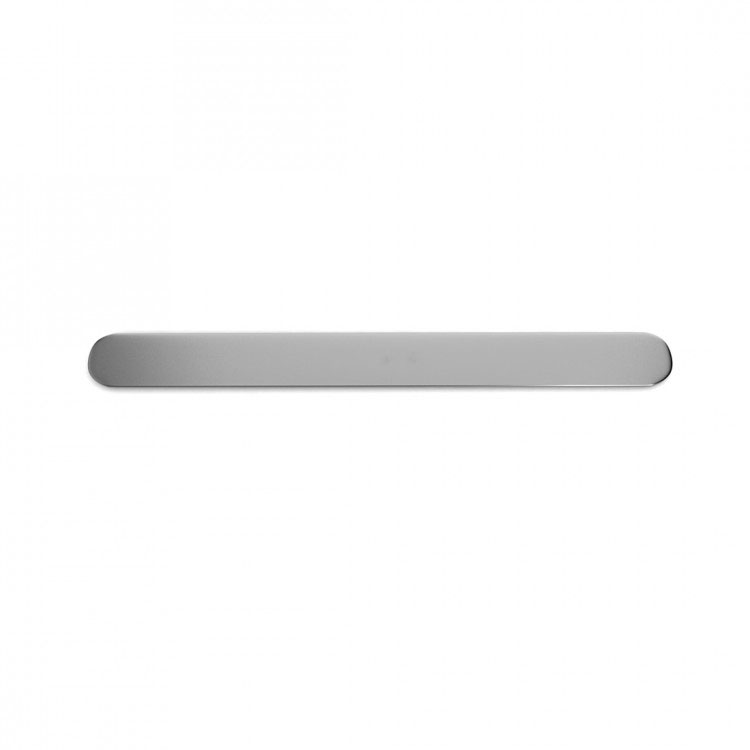
Davis Brain Spatula
Davis Brain Spatula
malleable, 7″ (17.5 cm)
Davis Brain Spatula is 7″ in length and comes in a variety of widths to accommodate different cases. This instrument is commonly used in neurology procedures to hold the opening in the brain while operating. The spatula is also malleable, which allows it to bend and fit the size or depth of the operated brain. Following the conclusion of the surgery, a small hammer is used to strike the spatula in order to restore it to its initial shape.
Description
| Name | Davis Brain Spatula |
| Lead Time | 0-3 days |
| Specialty | General Instruments-Hooks & Retractors – Retractors |
| Material Finish | Stainless Steel |
| Grade | Premium Operating Room |
| Units of Measurement | Each |
| Manufacturer | Euro Site Industries |
| Sterility | Non-Sterile |
| Usage | Reusable |
Reviews (0)
Shipping & Delivery
Related products
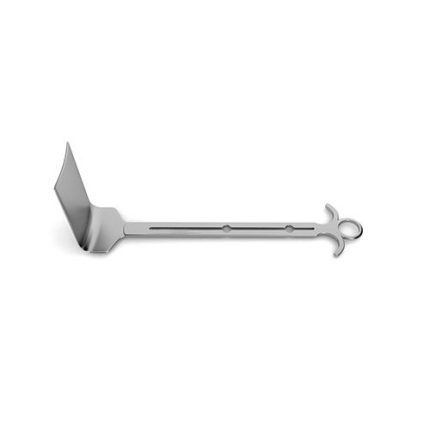
Balfour Extra-Deep Center Blades
For balfour retractor systems w/ fixed side blades, 2-3/4" wide x 4" deep
Balfour Extra-Deep Center Blades consists of a 4" deep blade that is curved at a right-angle. This blade may be intended for larger patients or for accessing deeper areas of the abdominal cavity so that they can be held in place. Another feature of this center blade is that it contains loop holes in the center slot so that it can provide different spreads.
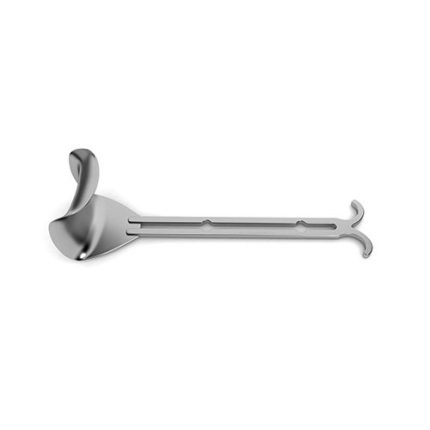
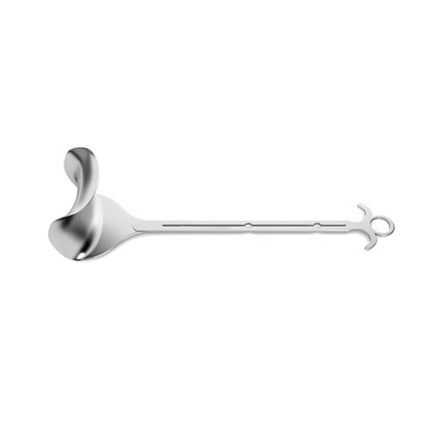
Balfour Standard Center Blade – For Detachable System
Detachable System
for detachable balfour retractor systems
Balfour Standard Center Blade is designed to be used with the detachable Balfour Retractor Systems. This blade is offered in two different sizes and contains a curved blade with lips on the outer edge to keep an incision open. The handle of this center blade is fenestrated in the middle and includes placement holes so that it can spread to different sizes.
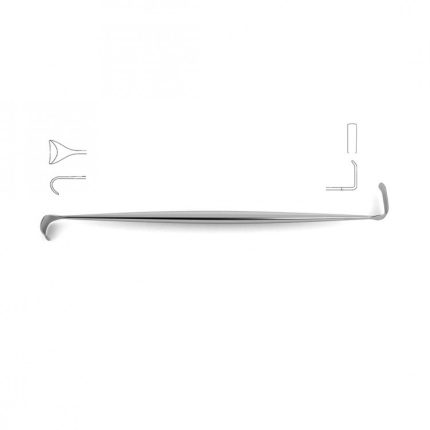
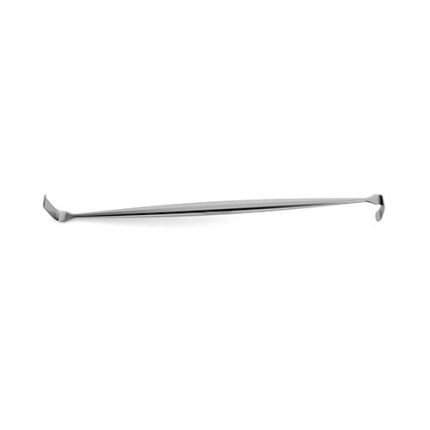
Cope Retractor
Double-ended, 6.0 mm & 11.0 mm, 7-1/8" (18.0 cm)
Cope Retractor is a double-ended surgical instrument primarily used to pull back skin or organs that may obstruct the operating area. The main features of this retractor are its different shaped blades. For example, one end contains a strongly curved blade with a lip. The other end, however, contains a sharp, right angle blade with a ridge on the tip.
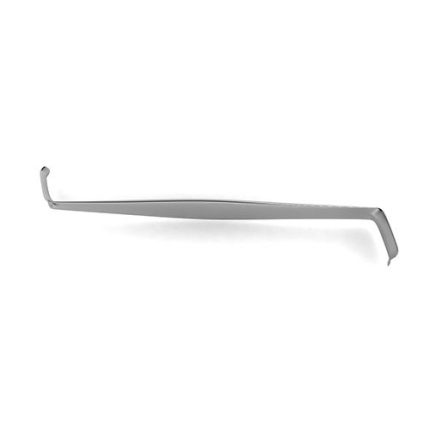
Crile Retractor
Crile Retractor
double-ended, 3.0 mm x 11.0 mm & 6.0 mm x 20.0 mm blades, 4-1/2" (11.4 cm)
Crile Retractor is a hand-held instrument that can hold back tissue or organs so that the surgical site can be accessed. This retractor has a wide body and right-angle blades on each end to maintain the desired position once inserted around the edges of an incision. It is offered in a 4 ½" length, which is idea for smaller openings.
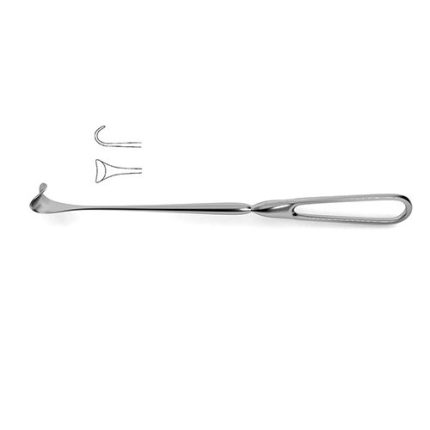
Cushing Vein Retractor – Fenestrated Handle
Cushing Vein Retractor - Fenestrated Handle
fenestrated handle
Cushing Vein Retractor is a more light-weight instrument due to its fenestrated handle. The lengths can range from 9" to 16." This vein retractor can be used during general surgeries to retract veins or other small tissues. It may also be used in other medical procedures such as neurosurgery to pull back tissue.
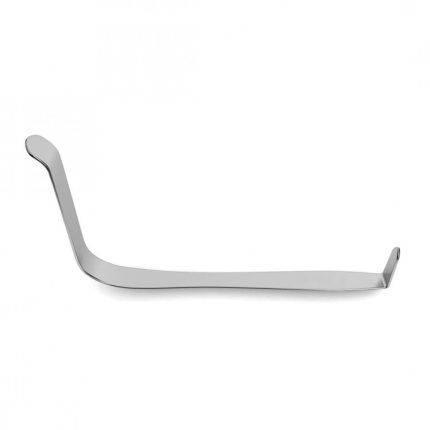
Deaver Retractor – Double-Ended
Double-Ended
double-ended, 1" wide x 9" long
Deaver Retractor is typically used during abdominal procedures to keep the organs from interfering with the surgical site. This double-ended instrument has a long, curved blade on one end and a short, right angle blade on the other end. The shorter end may help to retract the walls of the bladder during intravesical surgeries, and the longer end may be helpful for deeper retractions.
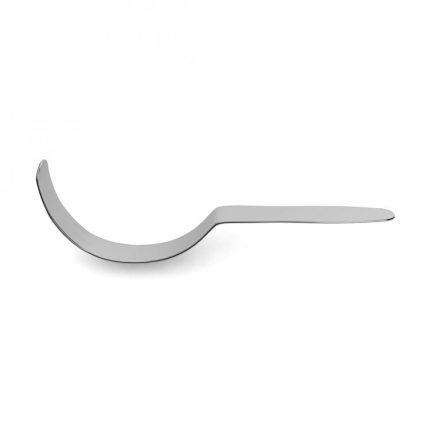
Deaver Retractor – Flat Handle
Deaver Retractor - Flat Handle
flat handle, flexible
Deaver Retractor with a flat handle contains a flexible curved blade that is offered in two different widths and lengths depending on the surgical requirements. During general operations, specifically the involvement of the abdominal or chest cavity, this retractor can allow the surgeon to move one side of the incision to access the area that needs attention. If a deeper section needs to be accessed, the longer and wider blade may be more beneficial.

Reviews
There are no reviews yet.