
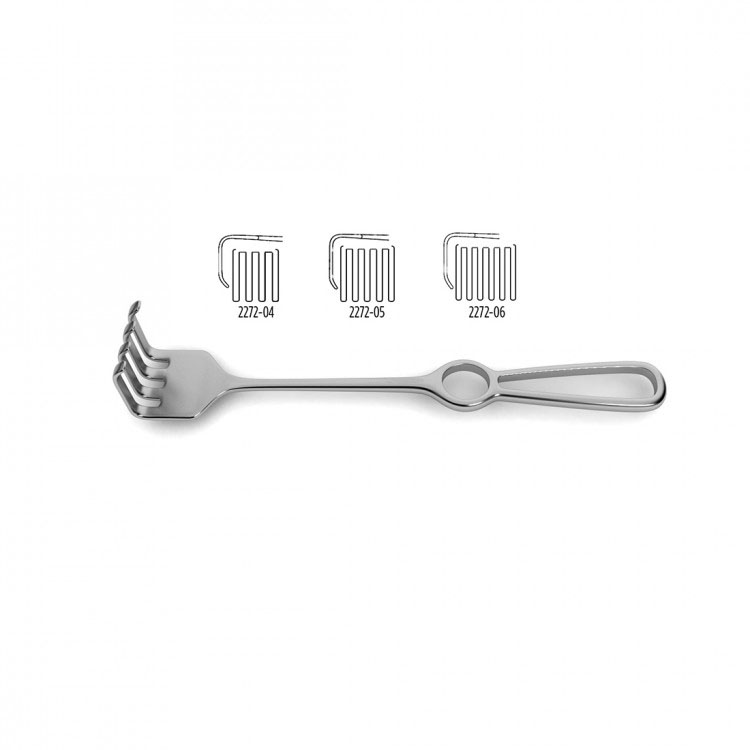
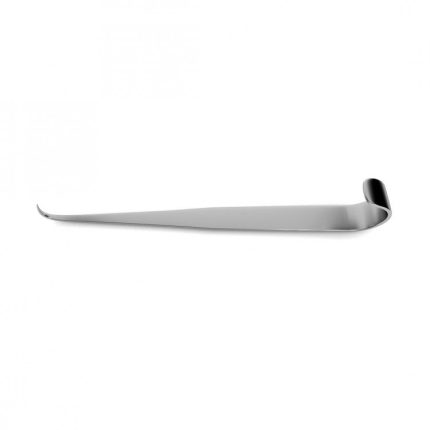
Israel Retractor
Israel Retractor
blunt, 10″ (25.0 cm)
Israel Retractor is a popular instrument used during orthopedic surgeries to retract heavy tissue within the body. The blades resemble a rake and are offered in several widths and depths.
Description
| Name | Israel Retractor |
| Lead Time | 0-3 days |
| Specialty | General Instruments-Hooks & Retractors – Retractors |
| Material Finish | Stainless Steel |
| Grade | Premium Operating Room |
| Units of Measurement | Each |
| Manufacturer | Euro Site Industries |
| Sterility | Non-Sterile |
| Usage | Reusable |
Reviews (0)
Shipping & Delivery
Related products
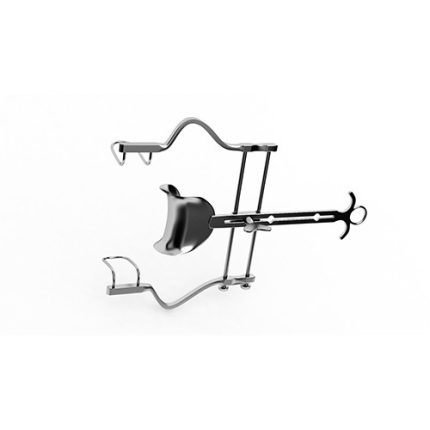
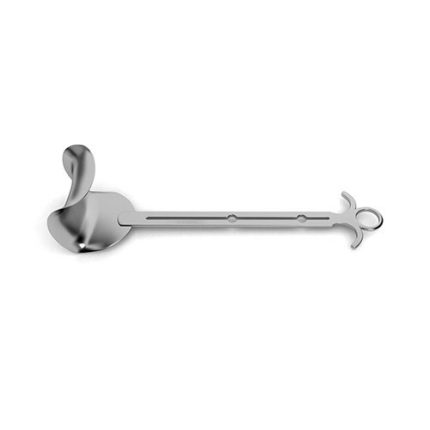
Balfour Abdominal Retractor W/ Fixed Side Blades
w/ ratchet bar mechanism, w/ fixed fenestrated side blades, 7-1/8" (18.1 cm) maximum spread
Balfour Abdominal Retractor with Fixed Side Blades contains a ratchet bar mechanism and side blades that are fenestrated. These side blades are designed to push apart an incision while the ratchet holds the instrument in position. The solid center blade, however, can be lowered or raised to provide better visibility for the surgeon.
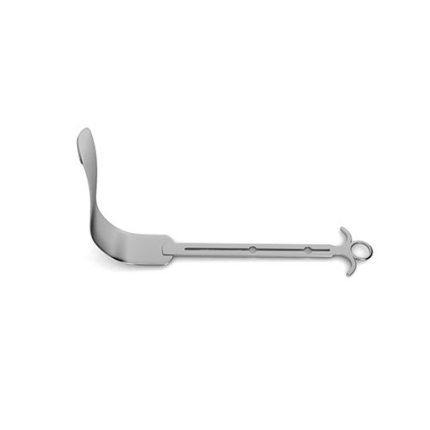
Balfour Supra-Pubic Center Blades
Center Blades
for balfour retractor systems w/ fixed side blade
Balfour Supra-Pubic Center Blades can be useful during procedures such as a Suprapubic cystotomy. When the bladder is retracted, this instrument provides the surgeon with a larger viewing area so that the procedure can be conducted. This blade is presented in two different sizes.
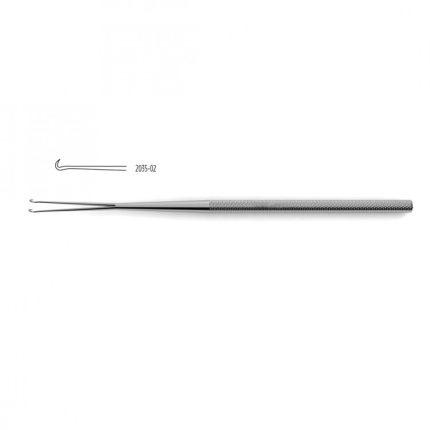
Barsky Skin Hook
Knurled handle, 6" (15.2 cm), sharp
Barsky Skin Hook can be used in various medical procedures where skin or soft tissue needs to be maneuvered, such as procedures involving plastic surgery or ophthalmology. The knurled handle contributes to a better grip for the surgeon, and the hook at the end contains a sharp prong that can be single or double. The high quality stainless steel used to produce this instrument may help to prevent bacteria from adhering to its surface during an operation.
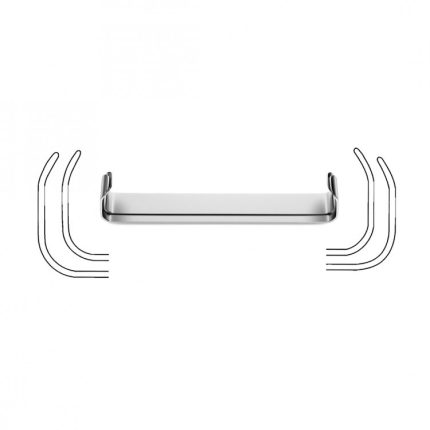
Collin Retractor
Collin Retractor
double-ended, set of 2, 6-1/2" (16.5 cm)
Collin Retractor is designed to push back tissue that may conceal part of the area that is being operated on. With the help of the rounded double-ended blades on each end, damage to tissues is reduced while they are held firmly in the desired position. Depending on the size of the incision, this retractor comes in a set of two.
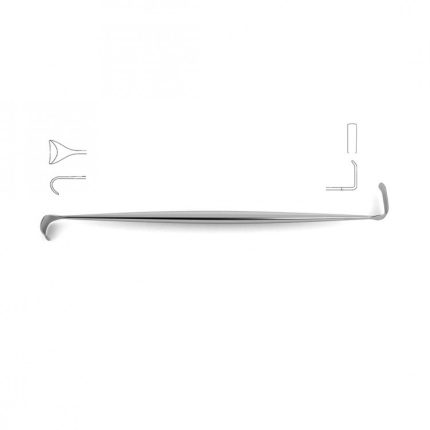
Cope Retractor
Double-ended, 6.0 mm & 11.0 mm, 7-1/8" (18.0 cm)
Cope Retractor is a double-ended surgical instrument primarily used to pull back skin or organs that may obstruct the operating area. The main features of this retractor are its different shaped blades. For example, one end contains a strongly curved blade with a lip. The other end, however, contains a sharp, right angle blade with a ridge on the tip.
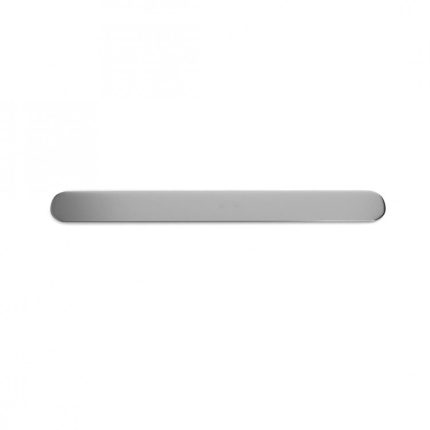
Davis Brain Spatula
Davis Brain Spatula
malleable, 7" (17.5 cm)
Davis Brain Spatula is 7" in length and comes in a variety of widths to accommodate different cases. This instrument is commonly used in neurology procedures to hold the opening in the brain while operating. The spatula is also malleable, which allows it to bend and fit the size or depth of the operated brain. Following the conclusion of the surgery, a small hammer is used to strike the spatula in order to restore it to its initial shape.
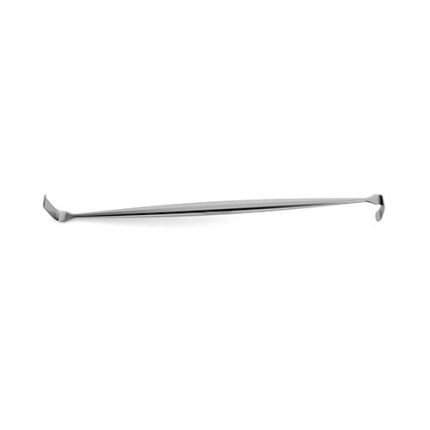
Davis Retractor
Double-ended, 5.0 mm x 16.0 mm & 8.0 mm x 21.0 mm blades, 5-1/2" (14.0 cm)
Davis Retractor is a stainless steel instrument that is double-ended and has opposing blades on either end. This retractor is able to divide and keep edges of an incision open. This instrument is also protected by the Euro Site Industries manufacturer warranty on defects in materials and workmanship.
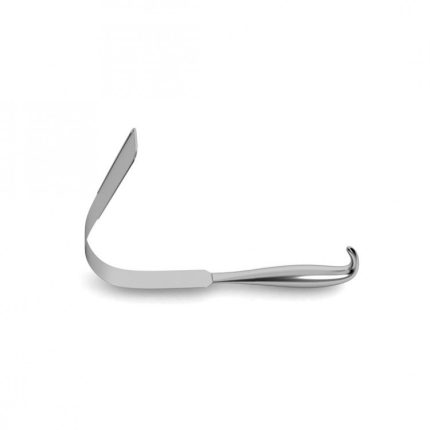
Glass Abdominal Retractor
Abdominal Retractor
6" (15.2 cm) x 3-1/4" (8.3 cm), 9-3/4" (24.5 cm)
B.E. Glass Abdominal Retractor contains a flexible blade with a strong curve that is affixed to a handle for gripping purposes. This type of retractor is intended to be used during surgeries that require retracting or exposing the organs in order to provide better accessibility for the surgeon.

Reviews
There are no reviews yet.